


F1 Predictions
All our free F1 predictions in one place. Expert analysis, previews, betting picks before every race.
-
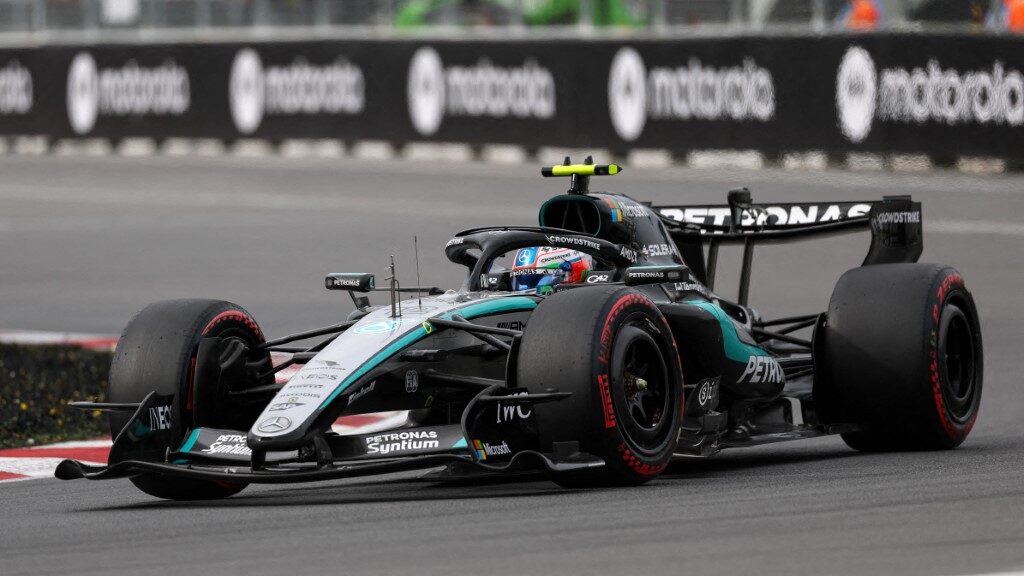
Canadian Grand Prix – Free F1 tips and predictions – May 24, 2026
Canadian Grand Prix 2026 – The Race Venue: Montreal (Canada) • Length: 4,361 km • Laps: 70. Qualifying at the Gilles-Villeneuve Circuit lived up to the hype. Kimi Antonelli looked set to take the front row, but George Russell turned the tables in the dying seconds of Q3 to grab a vital pole position. Behind…
-
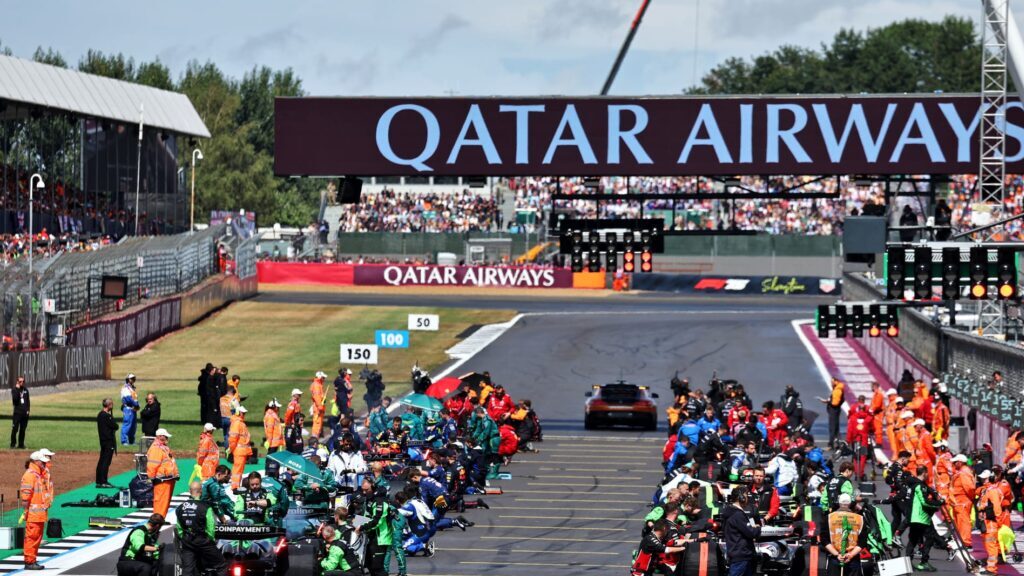
Canadian Grand Prix – Sprint Qualifying – Free F1 tip and predictions – May 22, 2026
2026 Canadian Grand Prix – Sprint Qualifying Venue: Montreal (Quebec, Canada) • Length: 4,361 km • Laps: 70 (Grand Prix). Formula 1 heads across the Atlantic and lands at the Gilles-Villeneuve Circuit in Montreal. This Canadian weekend gets an added twist with the Sprint format. That leaves very little time to get things right, forcing…
-

Fulham vs Nottingham Forest – Free Prediction and Tips – Premier League – December 22, 2025
Fulham – Nottingham Forest: a make-or-break game before the winter break Monday night at Craven Cottage: Fulham vs Nottingham Forest. Two sides stuck in the Premier League midtable. A few days before Christmas, the aim’s simple: pick up points, quiet the doubts and stop looking over your shoulder. Fulham: create plenty, control too little Fulham’s…
F1 Predictions: Because the Qualifying Grid Doesn’t Tell the Whole Story
Every race weekend, millions of fans watch Saturday qualifying, glance at the starting grid, compare recent podium finishes, and place a wager within minutes.
Sometimes that’s enough.
Most of the time, though, Formula 1 isn’t nearly that straightforward.
A driver starting sixth can be in a far better position to win than the driver lining up on the front row. A team coming off a disappointing double-DNF may actually be in a healthier competitive spot than the one that just lucked into a double podium. Grid positions matter, obviously. The problem is that they rarely tell the full story on their own.
That’s where F1 predictions become interesting.
The goal isn’t to guess who crosses the finish line first. If it were that easy, sportsbooks wouldn’t exist. The goal is to understand what’s happening beneath the surface before the market fully reacts to it.
The Difference Between Reading Timesheets and Reading Race Pace
Take two teams.
The first locked down a front-row lock-out in qualifying. The second qualified fourth and fifth.
Most bettors stop there.
Dig a little deeper, however, and the picture can change quickly. Maybe that pole lap was set on a low-fuel, single-lap peak setup that shreds its tires after six laps. Maybe the team starting on the third row dialed in a heavy race-trim setup with elite high-fuel long-run pace. Maybe track temperatures are set to drop twenty degrees by lights out, completely altering the tire degradation curve.
Formula 1 has a habit of punishing superficial analysis.
That’s one reason experienced bettors spend less time looking for “guaranteed winners” and more time trying to understand race-pace delta and degradation strategy.
Why Odds Move
The motorsport betting market reacts instantly to technical and environmental shifts.
Sometimes it’s obvious. A driver takes a grid penalty for an engine component change. A rain cloud appears over the paddock during Practice 3. A team brings a major floor upgrade package to a circuit.
Other times, the movement is harder to spot.
Public perception plays a massive role as well. Dominant constructors attract heavy money regardless of whether a specific circuit characteristics suit their car’s aerodynamic philosophy. Drivers on high-profile win streaks quickly become public favorites. Underdog teams with superior pit-stop execution or low-drag setups on high-speed tracks often go overlooked until Sunday afternoon.
Finding value usually starts with identifying moments where mainstream hype and underlying telemetry don’t quite match.
Form Is Important. Context Is Usually More Important.
Ask ten bettors what they look at first and most will mention recent race results.
They’re not wrong.
The mistake is treating recent finishing positions as a standalone indicator.
A team can secure back-to-back podiums while showing clear signs of poor tire management and reliance on Safety Car timing. Another can finish outside the points for two straight weekends while displaying race-winning pace hindered only by pit-lane missteps or mechanical bad luck. Anyone who follows motorsport long enough has seen both scenarios unfold.
The challenge is knowing when raw results reflect true car performance and when they’re merely hiding underlying pace.
That’s often where the clearest betting opportunities appear.
No Circuit Behaves Exactly the Same
A high-downforce, street-circuit weekend in Monaco rarely feels like a low-drag power track at Monza.
Permanent road courses like Silverstone demand completely different aerodynamic efficiency than high-altitude tracks like Mexico City. Night races introduce shifting track temperatures, while circuits with high macro-roughness asphalt completely change compound durability.
Understanding those fundamental differences matters.
What works for a constructor at one circuit won’t automatically work at the next. Downforce levels vary wildly. Brake wear demands differ. Even tire degradation can swing from thermal overheating to front-grain-dominated limits depending on layout and ambient conditions.
Good F1 predictions usually begin with understanding the track characteristics as much as the machines themselves.
The Reality of Betting on Formula 1
One uncomfortable truth exists in sports betting.
Good bets lose all the time.
A driver can manage their tires perfectly, build a ten-second lead, execute a flawless pit strategy, and still lose a position due to a poorly timed Virtual Safety Car or an untimely mechanical failure. Every bettor has watched a winning ticket evaporate because of a cold-tire lockup or a debris-induced puncture.
That’s not bad luck. That’s racing.
The people who last in this industry understand that individual Sunday outcomes matter far less than consistent, long-term decision-making.
Final Thoughts
The best F1 predictions rarely come from shortcuts.
They come from paying attention when others aren’t. Looking beyond single-lap qualifying timesheets. Questioning consensus narratives. Accepting that mechanical and strategy variance is an inherent part of every grand prix.
Nobody predicts every race outcome correctly. Nobody beats the market forever.
What separates smart bettors from the crowd is usually much simpler than that: they make better decisions before lights out.