


A directive, not a law change
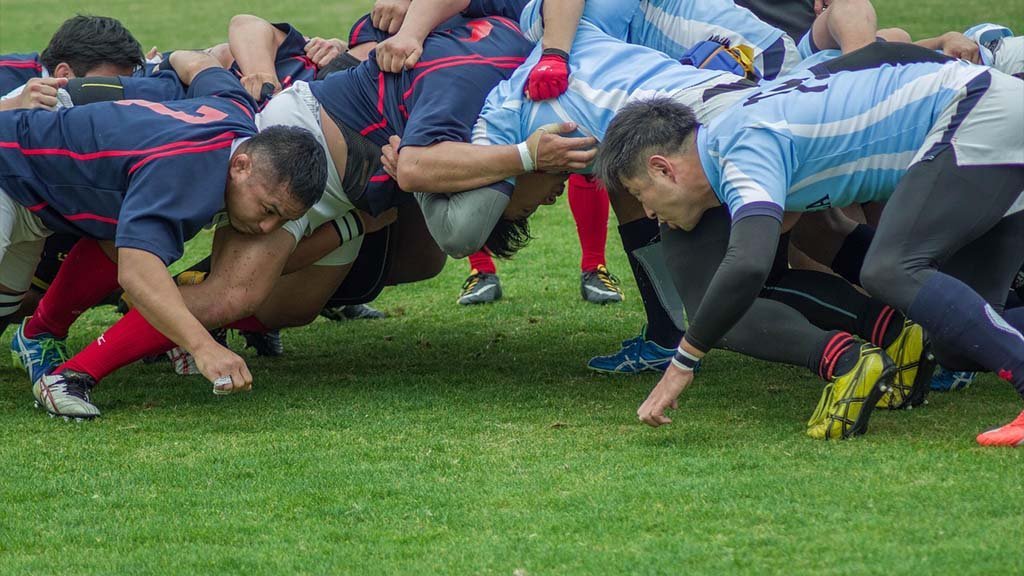
World Rugby put out an implementation directive on the maul back in June. It does not rewrite the law. It tells referees how to handle players who end up on the wrong side of the ball.
The principle is simple enough. A defender who drifts past the ball has to detach and re-enter from the back. Until now he could stay in the maul as long as he kept his grip unchanged.
That leniency was a loophole, and everyone used it. A defender could haul the maul backwards from beyond the ball, then fall on it when the thing broke up, leaving the ball unplayable. The directive applies to competitions starting from 1 June 2026.
Try it for $0.99.

Erasmus likes what he sees
Rassie Erasmus is delighted. The Springboks coach reckons the maul is a weapon again, and not only for South Africa.
“The maul is a strength for every team now,” he said of a phase that has turned back into a contest of shove and timing. He also went out of his way to praise the governing body, adding a short “Well done to World Rugby.”
His example was not a South African one. New Zealand, he said, maul well, fake the maul constantly and attack the space it leaves, then send big carriers straight at the opposition fly-half. Stopping that pattern is another matter entirely.
Victor Matfield had already forecast a South African maul revival. Erasmus stretches the point to the whole international game.
The numbers behind the shove
Two back-rowers and the hooker can no longer loiter outside the maul. They have to commit. Suddenly the opposition back line has air to breathe.
Erasmus has a figure for it. In one match where New Zealand ran in six tries, ball-in-play time reached 29 minutes. The next weekend it went up again.
He also brushed off the complaints about kicking. More kicks, in his reading, mean more ball in play rather than less.
Discover the rest of the rugby news on our mathodds website and app!
in your pocket.
Real-time notifications & alerts



Leave a Reply