


A guideline, not a law change
Rassie Erasmus does not hand out compliments to administrators often. He handed one out this morning.
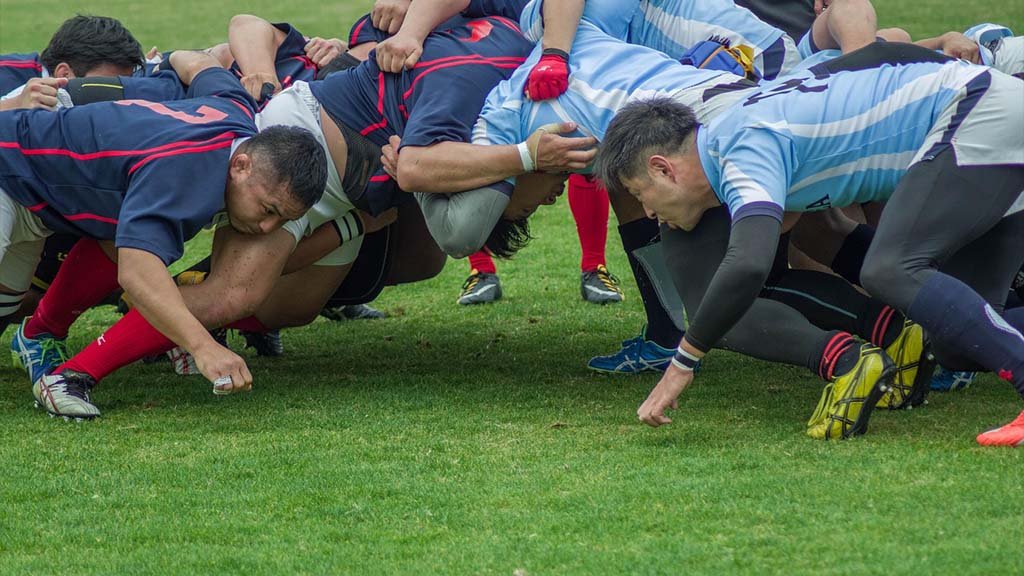
The Springboks coach credited World Rugby’s June guideline on maul defence with driving up try counts across the game, and insisted the benefit runs well beyond South Africa.
The guideline applies to competitions starting from 1 June 2026 and targets defenders who end up past the ball inside a maul. Referees now require those players to detach and rejoin from the back. Previously a defender who drifted around the side could stay bound, drag the maul backwards from beyond the ball, then flop on it once the maul collapsed legally and kill the possession.
“There is no change in law,” World Rugby’s statement read. “The guideline helps clear up those messy situations when the contest for possession/space has been won. Players are asked to recognise that when they get beyond the ball and out of the contest, they leave the maul. Referees are asked to identify, manage and/or sanction.”
Try it for $0.99.

Erasmus sees the space, not just the tries
South Africa took two of their three tries from a driving maul in their 33-26 win over the All Blacks, Jesse Kriel and Damian de Allende finishing them off. Victor Matfield had already predicted the maul would return as a Springbok weapon. Erasmus agrees, then widens the point.
“Yes, but for New Zealand as well, they’re very hard to stall,” he said. “They maul really, really well, and then a lot of times they pretend to maul, and they break into a vacuum, which is very hard to defend, and then they run onto your fly-half with big runners.”
His argument runs on geometry rather than mauling technique. Commit the loose forwards and the hooker to the maul and the defensive line behind it thins out.
“So well done to World Rugby. When it was seven or eight-man mauls, in the past you could stop it with the four going around and dragging the maul back. Then there was no space for the backs to attack, but now you have to commit to the maul and the vacuum is open.”
Why the scores keep climbing
Erasmus links the guideline to the scoring rate across the sport, not only to maul tries.
“The amount of tries we’re seeing currently is not just from all tries; it’s actually that vacuum that it creates because two loose forwards and the hooker can’t stand out; they must join the maul, and now there’s space for the backline again,” he said. “Even if you’re a team that is not mauling well, at least it’s like a scrum as you commit the eight opposition guys to stop it.”
Teams that cannot maul, by that reading, now profit from being mauled at.
Discover the rest of our Rugby news on MathODDS!
in your pocket.
Real-time notifications & alerts



Leave a Reply