


Thirty seconds, and who starts counting them
Rassie Erasmus tore up the format. On Monday, before the opening Test of the series against the All Blacks, the Springboks boss did not bring a player to the press conference. He brought Jaco Peyper, SA Rugby’s laws consultant and a former international referee.
There was a reason. For weeks the New Zealand camp has been pushing a line: South Africa are slowing the game down on purpose, killing any rhythm before it can build.
“My view is that New Zealand have played four matches and there has clearly been a very technical narrative around the speed of the game, the slowing down of the game,” Erasmus said. “Jaco is better placed to answer those questions because he helps us with everything that relates to the laws.”
Try it for $0.99.

Peyper answers with paperwork
The former referee went straight to procedure, citing the agreement between coaches and officials that came out of World Rugby’s Shape of the Game meeting earlier this year.
“It’s the contract between the referees and the coaches, which tells the coaches to coach their players to play that way and us to referee that way,” he said. “There’s an alignment on the Monday after every match. In the five matches we have played, we have not received a single piece of feedback saying that we are slowing the game down.”
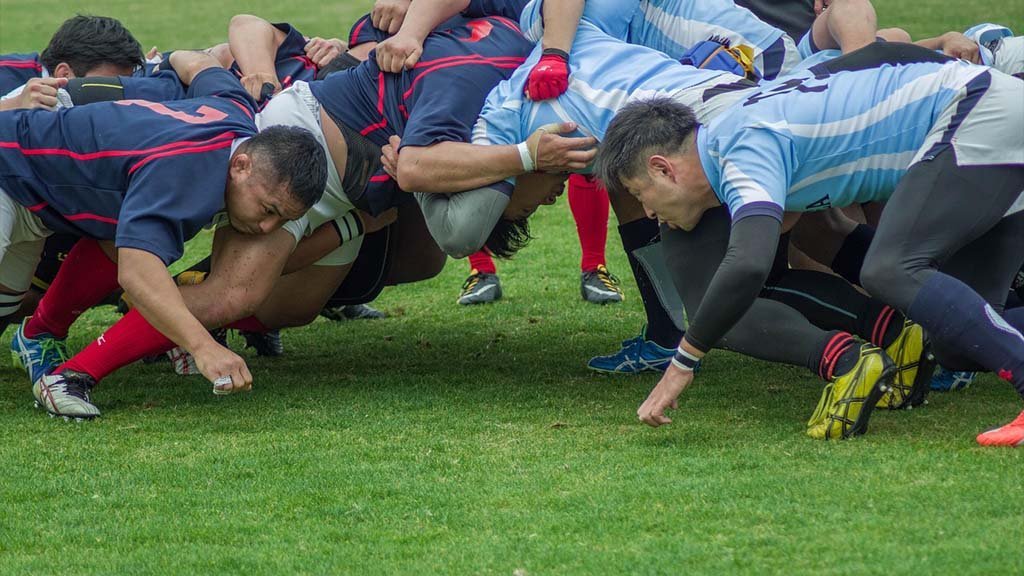
Then the detail that matters. Thirty seconds to form a lineout or a scrum, and the clock starts when the referee marks the spot with his foot, not when he blows. Erasmus took the gap immediately. “What you do up to that lineout is up to you. You can pray if you want. You can get on your knees, you can have a huddle.” Those huddles are not optional, he argued, with 11 languages spoken inside his squad.
The altitude line, sent back the other way
Peyper flipped the complaint. At altitude, he said, it is the visiting side that drains the tempo out of a match.
“I have refereed a lot of Super Rugby matches here where the game was slowed down by the touring teams,” he said, reaching for Lions against Bulls as evidence. A team under pressure has other ways of breaking up a game too, he added, starting with repeat penalties at the breakdown and the maul.
Dave Rennie is not hiding his own plan across the way: raise the tempo and make the South Africans chase. Four Tests to settle it. Erasmus has still not named his side.
Discover the rest of the rugby news on our mathodds website and app!
in your pocket.
Real-time notifications & alerts



Leave a Reply