


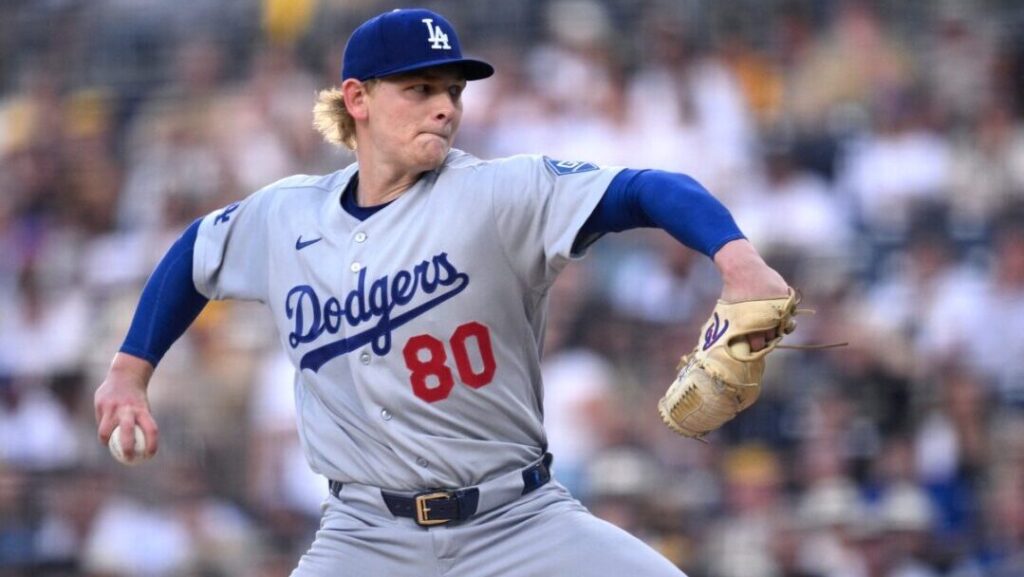
The MLB Epidemic of Shredded Elbows 
Cranking a leather ball at more than 160 km/h is pure anatomical heresy. The human arm was never built by Mother Nature to act like an industrial catapult. And yet, on MLB mounds, velocity has become a tyrannical religion, a cult where the radar gun calls every shot.
To impress scouts, an 18-year-old now has to uncork ballistic missiles and hope his elbow survives. The result? Ligaments are snapping all over the place, operating rooms are never empty, and careers are being blown apart in mid-air. It is biomechanical carnage, a nightmare for purists. For the cold-eyed bettor, though, it can be a statistical gold mine.
The Radar Gun Dictatorship: Throw Hard or Die Trying
Twenty years ago, a pitcher earned his keep by fooling hitters with nasty movement, subtle changes of pace and surgical command. That era is dead and buried. Today, MLB front offices have reached a cold mathematical verdict: the faster the ball, the harder it is to hit.
It is simple, brutal and it has sparked a deadly arms race. If a high school kid is barely touching 92 mph (148 km/h), scouts barely glance his way. To land a seven-figure deal, you need to flirt with the mythical 100 mph (161 km/h) mark. So players push their bodies far beyond the breaking point, sacrificing flesh and bone on the altar of pure speed.
Tommy John: The Surgery That Became a Rite of Passage
Faced with that kind of abuse, the elbow eventually gives way with an ugly pop. Enter the dreaded, now almost routine Tommy John surgery. The idea is grim: a surgeon takes a healthy tendon from the wrist or thigh and threads it through the elbow in an figure-eight pattern to replace a torn ulnar collateral ligament (UCL). Once a career death sentence, it is now treated like a standard service visit. Some MLB pitchers even get carved up two or three times in one career just to keep firing heat. The whole industry has accepted the madness as normal.
no renewal
Free for 2 weeks.

The Modern Bullpen Meat Grinder
That cynical business model has created a new class of disposable players: faceless relievers. Managers no longer ask starters to go seven or eight innings to protect their arms. By the fifth inning, the bullpen gate swings open. An army of anonymous arms trots in with one instruction: throw as hard as you can for 15 pitches. If their arm blows out three months later? No problem. The club bins them and calls up the next clone from the minors. It is human grinding at scale.
The Bettor’s Gold Mine: Hunting Velocity Drops
The huge advantage of this health crisis for your betting slip? It is predictable and measurable. A ligament does not always tear in one clean snap; it frays first. The clearest sign that an elbow is about to go is a drop in velocity. If you are tracking the data and notice an MLB ace has suddenly lost 2 or 3 mph on his fastball over the last two weeks, the blow-up is probably right around the corner.
The arm is finished. Bookmakers, often slow to catch weak signals, may still hang a favourite price on reputation alone. That is your cue to strike: hammer the other side or load up on the Over. Betting against a pitcher who is hiding pain is one of the safest steals in modern baseball.
Credit : Orlando Ramirez / GETTY IMAGES NORTH AMERICA / Getty Images via AFP
Discover the rest of the sports news on our site!

Leave a Reply