


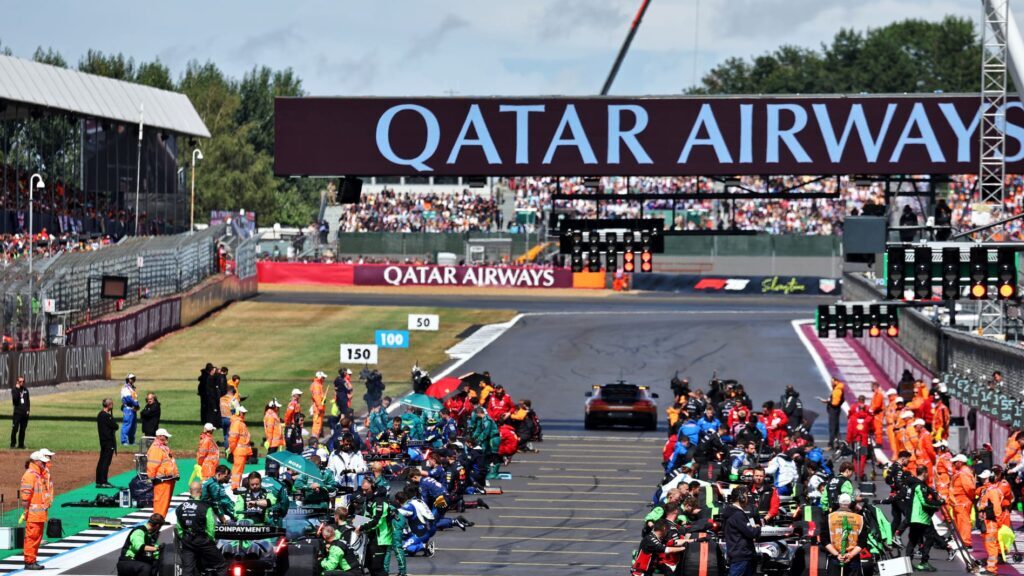
The knock-on effects of the 2026 rules
The new technical age of Formula 1 is here. A strict 50-50 split between combustion and electric power. Sustainable fuels. Active aerodynamics. Smaller, lighter cars. After the first three Grands Prix, the numbers show one thing: more overtaking in races.
But there’s plenty going wrong as the sport makes the switch. Qualifying has taken a direct hit from energy management. Drivers are being forced into lift-and-coast mode, backing off early to recharge the batteries several times in a single lap. The result on track is ugly: dangerous speed differences. Oliver Bearman’s crash at the Japanese Grand Prix showed exactly why this is a safety headache.
Fixes expected in Florida
The governing body has finally reacted. A string of meetings is now under way involving the FIA, F1 management, the teams and the engine manufacturers. Stefano Domenicali has backed the emergency process. The chief executive wants answers now, not at the next committee meeting. Regulatory changes are set to be in place before next month’s Miami Grand Prix. The top priority is qualifying. The aim is simple enough: full power, all the way through a flying lap.
The bosses, though, are not hitting the panic button. They’re standing by the basic shape of the rules. This technical overhaul was meant to answer a five-year-old industrial problem: how to bring in new manufacturers. That plan has already been validated by Audi, Ford and General Motors signing up, with Honda staying in. Renault’s recent exit is a reminder of how fragile the whole thing is. Without action, this could easily have shrunk to little more than a Ferrari-Mercedes duopoly.

Economic signs and a five-year outlook
The global car industry is busy redrawing its electrification plans. Formula 1 knows that’s coming and is already shaping the next step around it. The next rules cycle, due in five years, will reflect those changes. Running only on sustainable fuels opens another technical door. A return for V8 engines, paired with a smaller hybrid system, is officially on the table.
The sporting complaints look one way; the commercial numbers look another. The audience figures are up. Average TV viewing across the main markets has risen by 25 % compared with 2025. The races in Australia, China and Japan all sold out.
Stefano Domenicali also rejected claims that the current races are becoming artificial. The sport’s leaders are drawing a historical comparison. The energy-saving demands of 2026 follow the same competitive logic as the brutal fuel management forced on turbo engines in the 1980s.
Discover the rest of the Formula 1 news on Mathodds!

Leave a Reply